





Pack It Right, and Your Parcel Arrives Safely
International parcels change hands many times before they arrive. With the right packing, your items stay intact, nothing leaks, and shipping costs stay in check.
Packing a parcel to ship abroad is different from packing for local delivery. Your parcel will be stacked in warehouses, loaded onto planes, inspected by customs, and delivered again by a courier in the destination country. Every handover is a chance of impact.
The good news: most damage can be prevented with simple materials: a sturdy box, enough cushioning, and properly applied tape.
This guide covers the supplies you need, safe packing steps, how to pack fragile items, food, electronics, and clothes, and the mistakes that most often lead to damaged parcels.
International Packing Principles at a Glance
Five things that decide whether a parcel arrives safely.
Why Does Packing for International Shipping Need to Be Stronger?
An international parcel's journey is much longer than it looks.
- Changes hands many timesFrom the origin warehouse to the airport, airline, customs, and local courier, the parcel is lifted and set down again and again.
- Stacked with other parcelsIn warehouses and on planes, your parcel may sit under parcels that are much heavier.
- Temperature and pressure changesLiquid containers that aren't sealed tightly can leak because of pressure changes during the flight.
- May be opened for inspectionCustoms has the right to open parcels. Neat packing makes inspection easier and lets the parcel be closed again safely.
Packing Supplies You Should Prepare
They don't need to be expensive, just fit for purpose.
Sturdy Box
Single-wall boxes for light items, double-wall boxes for heavy or fragile items.
Bubble Wrap
The main protection for fragile items, electronics, and items with sharp corners.
Zip Bags & Thick Plastic
For food, liquids, and items that need protection from moisture.
Wide Packing Tape
Brown or clear tape at least 5 cm wide so box seams don't come open easily.
How to Pack Items for Shipping Abroad
Six basic steps that work for almost any type of item.
Choose the Right Box
Leave enough room for cushioning on every side, but don't go too big. An oversized box lets items shift and raises the volumetric weight.
Line the Bottom
Add a cushioning layer at the bottom of the box to absorb impact when the parcel is set down or dropped.
Wrap Items One by One
Wrap each item separately. Items touching each other directly are more likely to scratch or break.
Heavy Items at the Bottom
Place heavy items at the bottom and light ones on top, with fragile items in the middle, away from the box walls.
Fill Gaps and Shake Test
Fill all empty space with cushioning, then gently shake the box. If you can still hear items moving, add more filler.
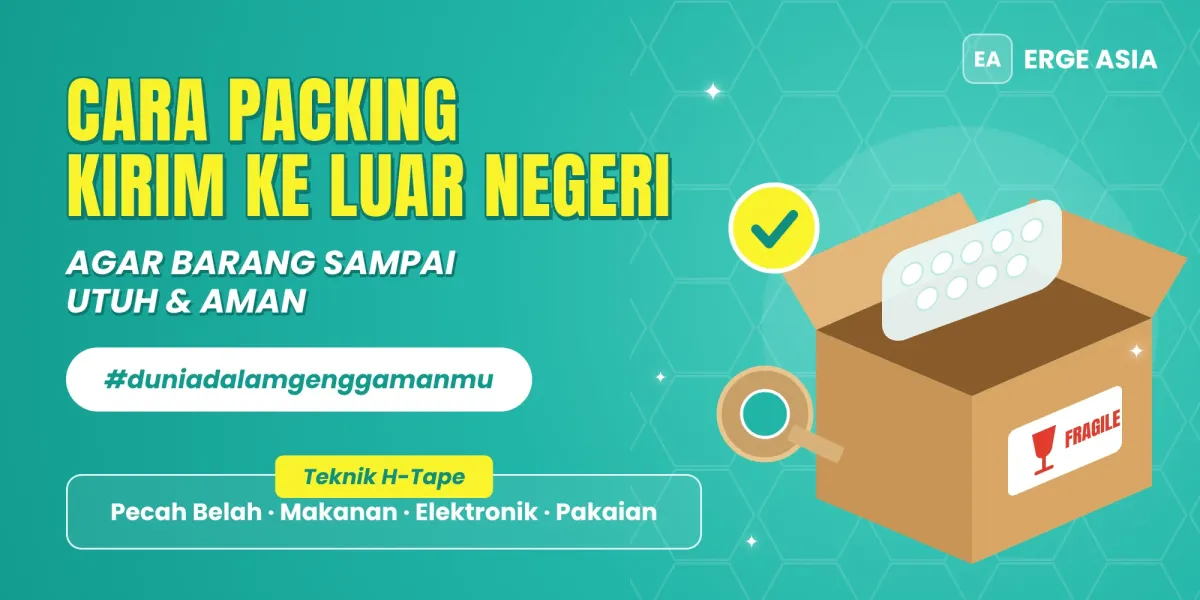
Seal with the H Technique
Run tape along the center seam, then along both edge seams to form an H, on both the top and bottom of the box.
How to Pack Different Types of Items
Every type of item has its own weak spot.
- Fragile itemsWrap in several layers of bubble wrap, stuff glasses or jars with paper, and keep them away from the box walls. Use a double-wall box.
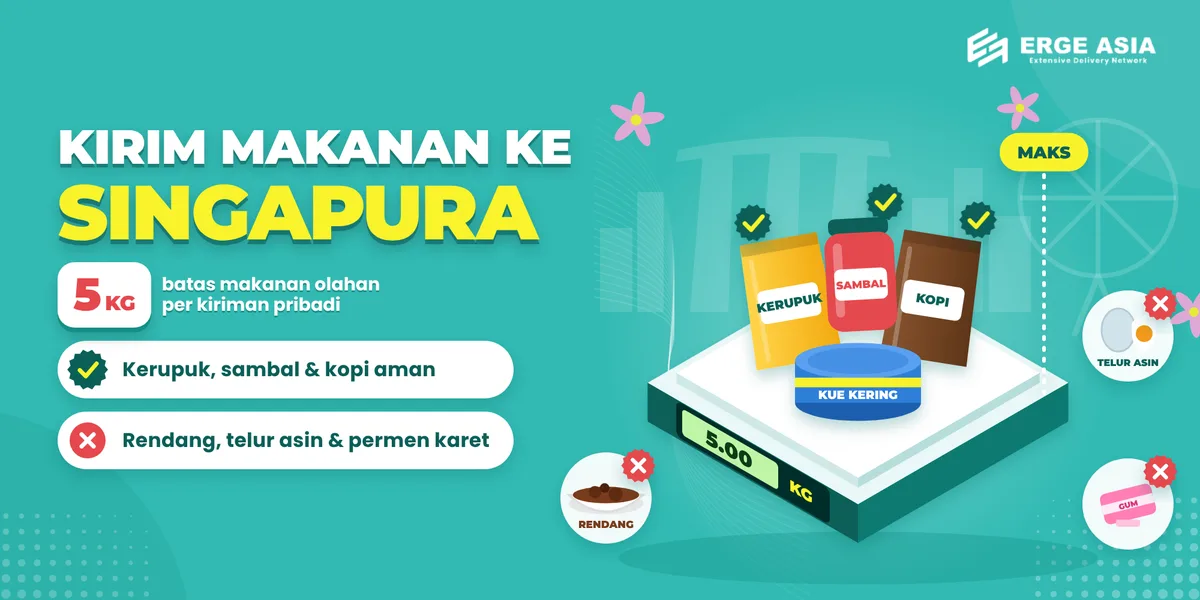
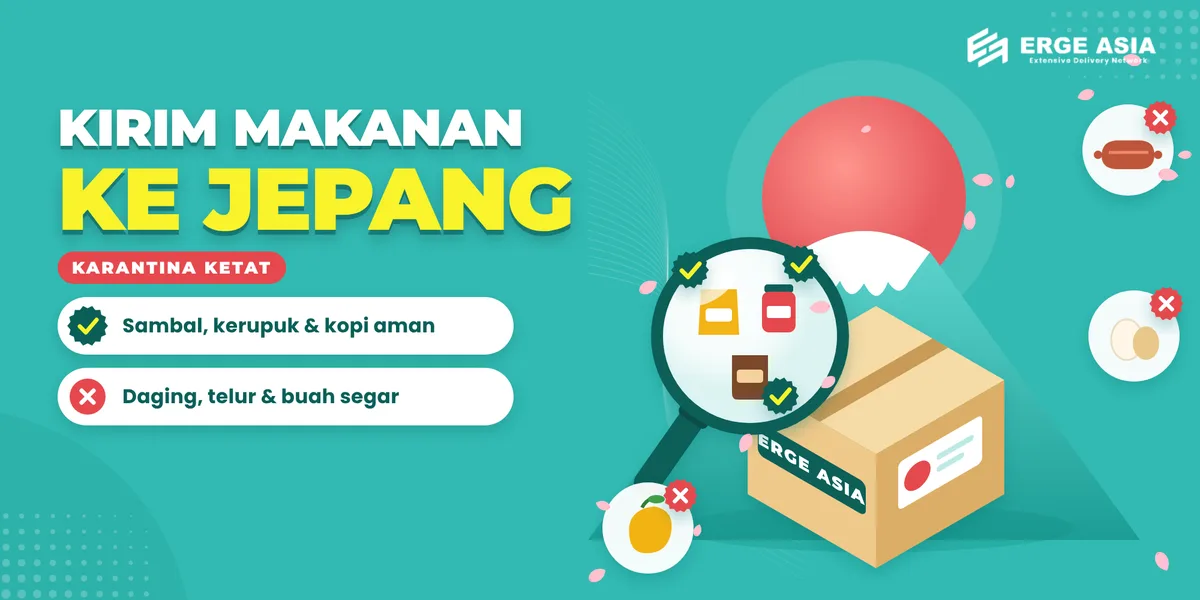
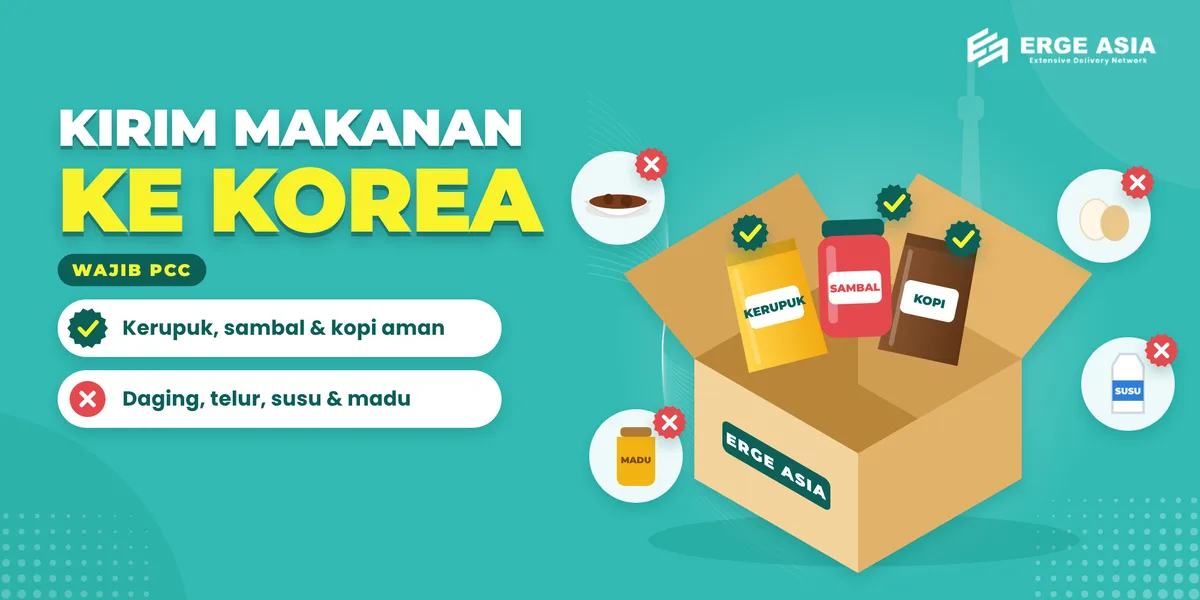
- Food and sambalMake sure packaging is tightly sealed, put it in a zip bag, then wrap it again in thick plastic so oil or smells don't spread to other items.
- Liquids and cosmeticsTape bottle caps shut, put bottles in zip bags, and place them upright in the middle of the box.
- ElectronicsSwitch devices off, keep them in their original box if you have it, and wrap them in thick bubble wrap. Electronics have their own category and rules, so check with our team before shipping.
- Clothes and textilesFold neatly and bag them to keep them dry. Vacuum bags help a lot in shrinking the box size.
- Documents and photosPlace them in a rigid plastic folder or thick envelope so they stay flat and dry.
Neat Packing, Lower Shipping Cost
How you pack helps decide how much you pay.
International shipping is charged on the higher of actual weight and volumetric weight, which is length × width × height in centimeters divided by 5,000. A box that's too big for its contents means paying for empty space.
- An oversized used box
- Bulky original packaging kept on
- Clothes thrown in unfolded
- A box sized to the contents plus cushioning
- Unnecessary packaging removed
- Clothes folded or vacuum-packed
Check per-kg rates for each country on our shipping rates page, or sign in to your Erge Asia account to see rates for your membership level.
The Most Common Packing Mistakes
Small mistakes that often end in damaged or held parcels.
- Using a weakened boxA damp, torn, or dented used box can't withstand stacking during the journey.
- Relying on thin tapeNarrow tape peels off easily. Use wide packing tape with the H technique.
- Overfilling the boxA bulging box tears more easily and measures bigger.
- Packing liquids with other items unprotectedOne leaking bottle can ruin the whole parcel.
- Describing contents vaguelyLabels like "personal items" can mean longer inspections. Describe contents in detail, for example "shirts 3 pcs, ground coffee 1 kg".
Want to know more before choosing a shipping service? Read our guide to choosing an international shipping service.
Questions About Packing for International Shipping
Quick answers to the questions our team hears most often.