


Japan
Tokyo · Osaka · Nagoya · Fukuoka
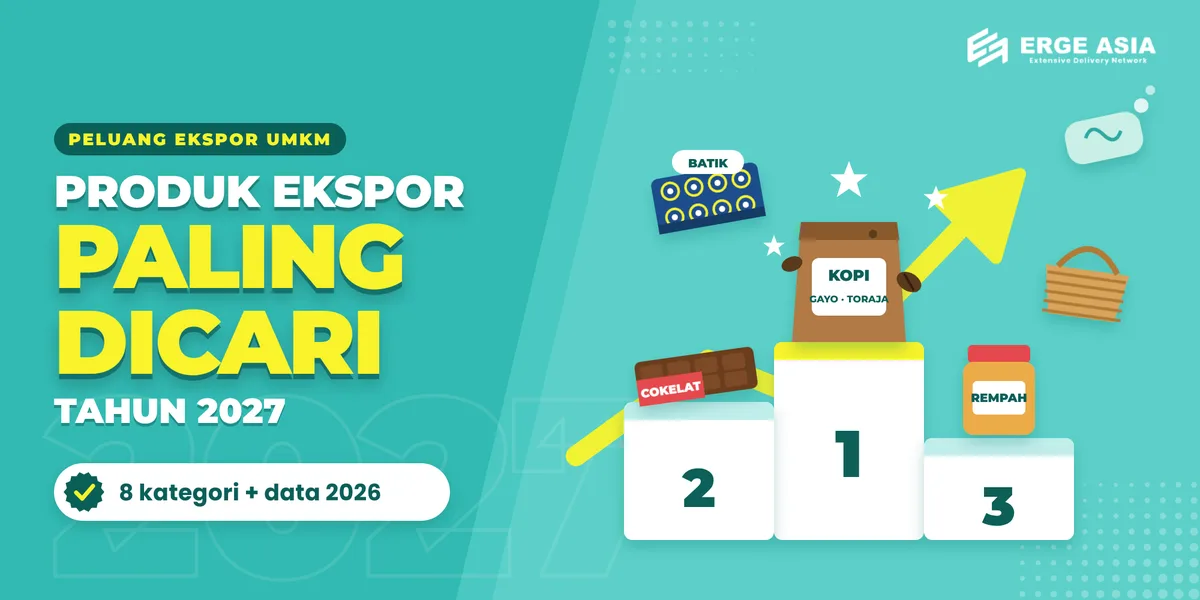
Japan is one of Indonesia's largest export markets, and its buyers are known to stay loyal when product quality is consistent. The government is also actively connecting small businesses with Japanese buyers. This article covers products that sell well in Japan, entry rules by product type, and the steps to start exporting there.
Why Japan Is Worth Targeting
Small-Business Products with Potential in Japan
Eco-Friendly Home & Living
Furniture, woven goods, and decor made from rattan, bamboo, or certified wood. Japanese consumers love simple design and natural materials.
Wellness & Beauty
Body care, aromatherapy, and herbal products are among the sectors the government is promoting to Japan.
Processed Fish
Processed tuna and skipjack are now duty-free. Exporters must register with the Ministry of Marine Affairs and Fisheries (KKP) to use this facility.
Halal Packaged Food
Japan's Muslim community and Muslim tourists keep growing. Packaged food with clear halal certification has its own niche.
Crafts & Textiles
Batik, woven fabrics, and handicrafts are regularly showcased in Japan, for example at the Handicraft Indonesia fair in Tokyo.
Specialty Coffee & Cocoa
Japan's coffee market is large and values origin, processing, and the story behind the product.
What Japanese Buyers Look For
Detail & Consistency
Colour, size, and taste must be the same from order to order. Even small defects can get goods returned.
Honest Labels
Ingredients, origin, and expiry dates must be accurate. One labelling mistake can get goods held at the port.
On Time
Reply to emails quickly and ship on schedule. Trust is built slowly, but the trading relationship can last a long time.
Japan's Entry Rules by Product Type
| Product type | What's required | Who handles it |
|---|---|---|
| Food & drinks | Import notification to the quarantine station for every shipment for sale, Japanese-language label | Importer in Japan |
| Cosmetics & body care | Marketed through a Japanese company with a cosmetics marketing licence | Partner in Japan |
| Wood, rattan, bamboo products | Plant quarantine inspection for raw or semi-processed materials | Exporter and importer |
| Meat & animal products | Animal health certificate and Japan-approved facilities | Large exporters and authorities |
| Crafts & textiles | Usually no special permit, just accurate material labelling | Exporter |
5 Steps to Start Exporting to Japan
Check the HS Code & IJEPA Tariff
Find your product's HS Code, then check whether its import duty is already 0% under IJEPA. If so, prepare an SKA (certificate of origin) so the buyer can use it.
Find an Importer or Partner
Join the Ministry of Trade's business matching, trade fairs in Japan, or contact Indonesia's trade representatives in Japan.
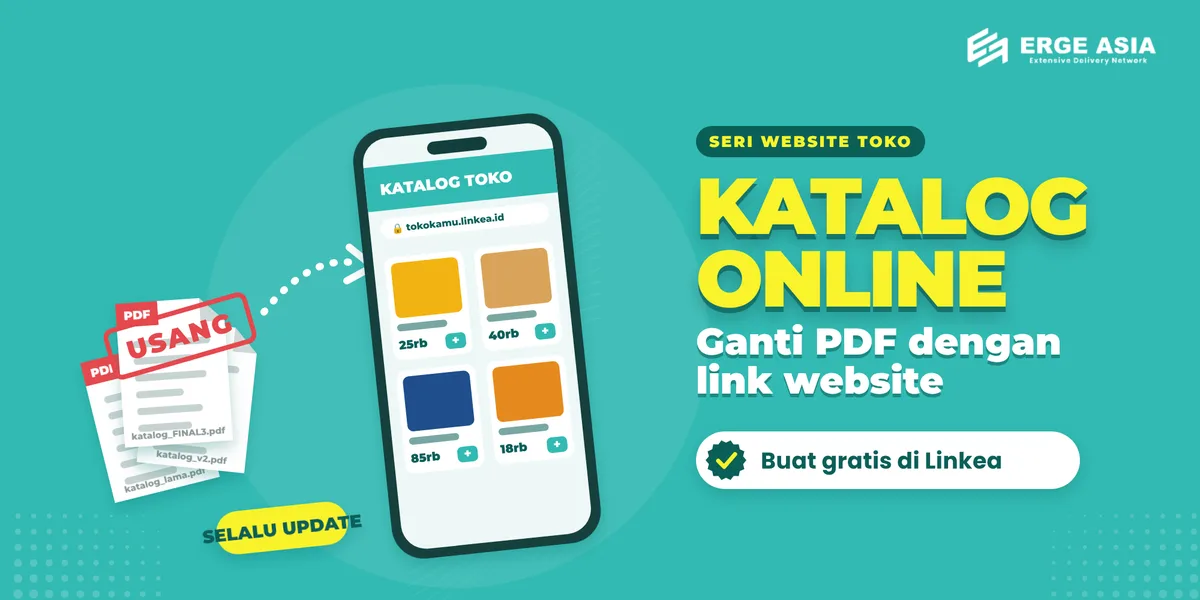
Prepare a Catalog & Prices
Create an export catalog and calculate prices using the agreed Incoterms.
Send Samples
Japanese buyers almost always ask for samples. Shipping to Japan starts from Rp 120,000/kg; see full rates on Check Rates.
Start with Small Orders
First orders are usually small to test the market. Fulfil them perfectly, because the next orders depend on the first impression.